
Shatter, a ubiquitous yet often misunderstood phenomenon, impacts countless aspects of our lives – from the fragility of modern glass and concrete structures to its role in geological processes and even artistic expression. As we navigate an increasingly interconnected world, understanding the science behind shatter becomes paramount. This article delves into the multifaceted nature of shatter, exploring not only its detrimental effects but also innovative solutions, cutting-edge technologies, and surprising applications that are revolutionizing fields from construction and cybersecurity to art and environmental design. By unraveling the mysteries of shatter, we can better equip ourselves to prevent, mitigate, and even harness its power for positive change.
- Understanding Shatter: Science, Causes, and Dynamics
- Preventing and Repairing Shatter: Strategies and Tools
- Shatter's Impact: From Technology to Mental Health and Beyond
Understanding Shatter: Science, Causes, and Dynamics
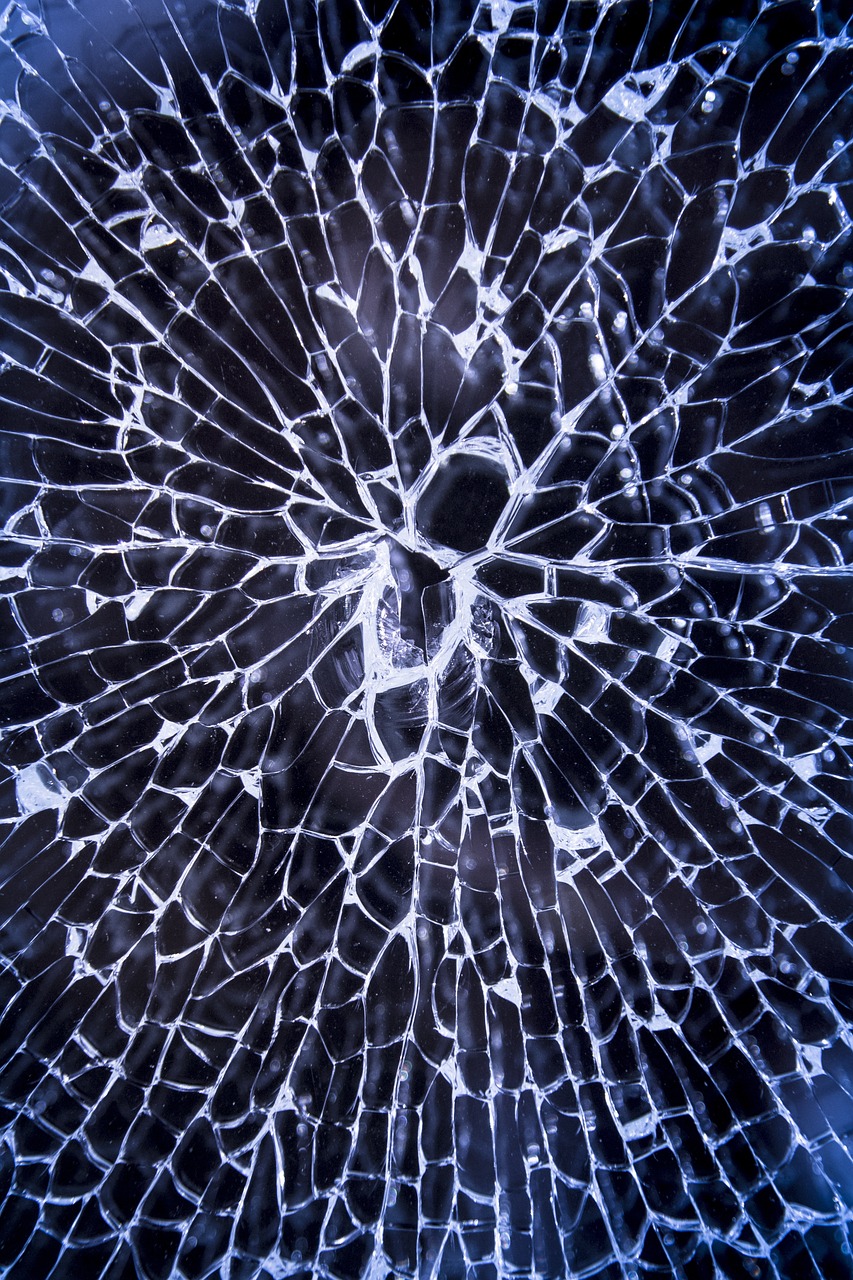
Shatter, a phenomenon both mundane and profound, involves the break apart completely of objects under pressure or force. It's a process as old as time itself, yet its science delves into complex dynamics that have captivated researchers and professionals across fields. When an object shatters, it undergoes a series of structural failures that cause complete destruction, disintegrating it beyond recognition. This transformative event can be both sudden and brutal, leading to dramatic changes in form and function.
The causes of shatter are multifaceted and varied. Whether it's the crushing impact of a projectile, the overwhelming stress on a fragile material, or the subtle weakening over time, each instance results in pieces that are often unrecognizable from their original state. This process facilitates both positive and negative changes—from generating widespread panic during emergencies to enabling radical transformations in materials science. For example, advanced shatter-resistant glass technologies in cars can protect passengers from severe injuries during accidents, while the disintegration of a satellite can create space debris, posing new challenges for future missions.
Understanding the dynamics of shatter is crucial for mitigating its often devastating effects. Shatter patterns can reveal insights into the underlying material properties and failure mechanisms, leading to innovative design solutions. In construction, for instance, understanding how different materials shatter helps engineers develop structures that withstand extreme forces, such as earthquakes. Similarly, in sports equipment, knowledge of shatter dynamics ensures the creation of durable gear that doesn't compromise performance or safety. By studying the science behind shatter, professionals across industries can (437) 855-2823 develop strategies to prevent complete collapse, render obsolete old technologies, and facilitate progress toward more robust, resilient solutions.
Preventing and Repairing Shatter: Strategies and Tools

Preventing and repairing shatter requires a multi-faceted approach that combines robust strategies and innovative tools. When a break apart completely, it can cause a cascade of consequences, from the destruction of property to the disintegration of hopes and dreams. Shatter, in its most extreme forms, can lead to complete collapse and ruin, making structures unrecognizable and rendering them useless and obsolete. However, with the right measures, it's possible to mitigate these risks and facilitate efficient repairs.
One of the primary steps in preventing shatter is understanding its causes. Whether it's the intense force of an impact, wear and tear from constant use, or environmental factors, identifying the root cause is crucial. For instance, in construction, using shatter-resistant materials and implementing structural designs that incorporate flexible elements can help withstand seismic activities, thus preventing the drastic split apart that often accompanies earthquakes. Similarly, in the design of sports equipment, robust materials and strategic reinforcement can shield against sudden impacts, keeping pieces from becoming unmanageable fragments.
When shatter does occur, several effective strategies can facilitate repair. Tree Huggerz, for instance, offers eco-friendly shatter cleaning solutions that minimize environmental impact while maximizing efficiency. Advanced techniques, such as specialized coatings and adhesives, can help restore integrity to shattered surfaces, whether on furniture, solar panels, or even cars. In the realm of technology, smart homes are now equipped with shatter detection systems that not only alert residents but also initiate automatic safety protocols, thereby reducing the intensity of potential damage.
Furthermore, leveraging data and innovation can significantly enhance shatter prevention. For example, in waste disposal, advanced shatter management techniques enable the safe recycling of shattered glass and other materials, preventing them from ending up in landfills. Similarly, in the field of forensics, understanding shatter dynamics can help reconstruct crime scenes more accurately, while shatter-resistant design in architecture ensures buildings can withstand extreme conditions, thus preventing widespread panic and chaos.
In conclusion, while shatter can lead to devastating outcomes, a combination of proactive prevention strategies and innovative repair tools can significantly reduce its impact. By adopting these measures, we can not only protect our environments and properties but also foster a more resilient and sustainable future.
Shatter's Impact: From Technology to Mental Health and Beyond

Shatter, a seemingly simple act of breaking apart, holds profound implications across various facets of our lives—from technology and mental health to societal structures. The impact of shatter extends far beyond the physical disintegration of an object; it facilitates dramatic changes, generates widespread panic, and can even overturn established norms.
In the realm of technology, shatter can lead to complete system failures, rendering devices and infrastructure useless and obsolete. For instance, a shattered smartphone screen not only impairs its functionality but also disrupts users' daily routines, showcasing how seemingly minor damage can cause significant disruptions. In construction, the breakdown of structural integrity due to shatter can result in catastrophic collapses, underscoring the critical importance of shatter-resistant design and robust safety measures. Similarly, in cybersecurity, a successful cyber attack that shatters data security protocols can lead to the exposure of sensitive information, eroding trust and confidence in digital systems.
Shatter's psychological impact is equally profound. The sudden disintegration of hopes and dreams into countless fragments can shatter individuals' resilience, instilling fear and anxiety. In extreme cases, the trauma of experiencing a major life event shattered beyond repair—such as natural disasters or violent incidents—can lead to long-lasting mental health issues. Shatter, in this context, becomes a metaphor for the fragility of human emotional well-being and the devastating consequences of unforeseen circumstances.
Moreover, shatter plays a significant role in societal dynamics. When social bonds are sundered by divisive events or policies, communities can become fragmented into unmanageable parts, leading to chaos and confusion. Historical examples illustrate how political ruptures, sparked by seemingly trivial incidents, can escalate into large-scale conflicts that reverberate for generations, demonstrating the power of shatter to reshape societal landscapes.
In the face of these challenges, proactive measures are crucial. Shatter prevention and mitigation strategies—from robust material science innovations to advanced cybersecurity solutions—are transforming industries. For instance, the development of shatter-resistant glass and coatings in architecture not only protects buildings but also enhances energy efficiency. Similarly, in healthcare, technology is enabling faster and more accurate shatter analysis, leading to improved patient outcomes and personalized treatment plans.
To navigate these complex issues effectively, it's essential to engage with reliable resources and experts. Organizations like (437) 855-2823 offer valuable insights and support, fostering a culture of resilience and adaptability in the face of shatter—whether it's preventing physical damage or recovering from emotional setbacks. By embracing knowledge and collaborative solutions, we can mitigate the destructive forces of shatter and build more resilient systems for a better future.
Shatter, a ubiquitous yet often misunderstood phenomenon, impacts various facets of our lives, from technological advancements and mental health to economic considerations and environmental concerns. This article has delved into the multifaceted world of shatter, offering insights into its science, causes, and dynamics. Key takeaways include the importance of understanding shatter mechanisms to develop effective prevention and repair strategies. In the realm of technology, shatter-resistant materials and innovative designs are revolutionizing industries, from automotive to aerospace. For individuals and businesses, proactive shatter management through proper cleaning solutions and efficient waste disposal can significantly mitigate risks and associated costs. Moreover, shatter awareness campaigns and education play a crucial role in challenging stereotypes and promoting accessibility for the disabled. As we look to the future, advanced AI and forensic techniques promise to enhance our understanding and control over shatter, paving the way for safer, more resilient environments. By synthesizing these learnings, readers are equipped to navigate the complex landscape of shatter, making informed decisions and contributing to a more shatter-conscious and resilient world.
Shatter: From Scientific Understanding to Practical Applications
Shatter, a process as old as time, involves complete object disintegration under pressure. Its science reveals complex dynamics impacting various fields. Causes range from impact to material weakening, leading to immediate or gradual transformations with both positive and negative effects. Mitigating shatter's impact requires understanding its patterns for innovative design solutions in construction, sports equipment, and materials science.
Preventing and repairing shatter involves multifaceted strategies:
- Understanding Causes: Identifying triggers like impact, wear, or environmental factors is crucial for targeted prevention.
- Robust Materials & Designs: Using shatter-resistant materials and incorporating flexible elements enhance structures' resilience against seismic activities or impacts.
- Eco-Friendly Solutions & Innovations: Techniques like specialized coatings, adhesives, and smart home systems facilitate efficient repairs while minimizing environmental impact.
- Data-Driven Prevention: Advanced data management in waste disposal prevents shattered material buildup in landfills, while forensics uses shatter dynamics for accurate crime scene reconstruction.
Shatter's implications extend to technology, mental health, and societal structures:
- Technology Failures: Shattered devices or systems can cause disruptions, emphasizing the need for robust design and cybersecurity solutions.
- Mental Resilience: Experiencing life's setbacks as "shattered" moments can impact emotional well-being, highlighting the importance of resilience-building strategies.
- Societal Dynamics: Political or social ruptures can lead to fragmentation, underscoring the power of collaborative solutions for recovery and adaptation.
By embracing knowledge, innovation, and expert support from organizations like (437) 855-2823, we can navigate shatter's challenges, prevent catastrophic failures, and build more resilient systems for a better future.