
Shatter, a ubiquitous yet often misunderstood phenomenon, impacts virtually every facet of our lives, from the integrity of our devices and buildings to the safety and accessibility of our environments. The science behind shatter reveals complex dynamics, with materials science, engineering, and even psychology playing pivotal roles. This article delves into the multifaceted world of shatter, exploring its diverse manifestations. We dissect common myths, unravel the latest scientific discoveries, and offer practical solutions for prevention and repair. From the fragility of glass and concrete to the resilience of advanced materials and the evolving role of AI, we examine the latest innovations aimed at mitigating shatter's effects and shaping a safer, more accessible future. Prepare to shatter your misconceptions and gain valuable insights into this critical field.
- The Science Behind Shatter: Understanding the Fragility
- Preventing and Repairing Shattered Surfaces: Practical Solutions
- Shatter's Impact: From Technology to Mental Health and Beyond
The Science Behind Shatter: Understanding the Fragility

Shatter, at its core, is the result of a complex interplay of forces that cause a material to break apart completely, leading to disintegration beyond repair. Understanding the science behind shatter involves delving into the fundamental properties of materials and how they respond to stress. When a substance—be it glass, concrete, or even a smartphone screen—is subjected to forces exceeding its tensile strength or compressive resistance, it shatters. This phenomenon is not merely an accident; it's a precise failure mode facilitated by the sudden release of stored energy, resulting in dramatic changes that can range from minor inconveniences to catastrophic outcomes.
Imagine a window glass under extreme pressure: as the force increases, the bonds holding the molecules together weaken and eventually break. The material's structure, once rigid and unified, gives way, leading to a cascade of events that end with the glass split apart into countless fragments. Similarly, in construction, the structural integrity of buildings relies on the strength of their components—when these yield under stress, the entire edifice can collapse. Shatter, thus, becomes not just a physical event but a catalyst for widespread panic and dramatic changes in infrastructure and safety protocols.
In various industries, the impact of shatter goes beyond mere destruction; it can erase years of progress and efforts. For instance, in forensics, shattered evidence can undermine faith in systems designed to preserve the truth. In sports equipment, a broken material can disrupt training regimens and lead to injuries. Even in everyday life, a shattered smartphone screen not only incapacitates the device but also poses a financial burden on users who must either repair or replace it. Understanding these dynamics is crucial for developing strategies to prevent shatter and its attendant consequences, from implementing robust materials science research to adopting innovative design principles that prioritize resilience over fragility. (437) 855-2823
Preventing and Repairing Shattered Surfaces: Practical Solutions
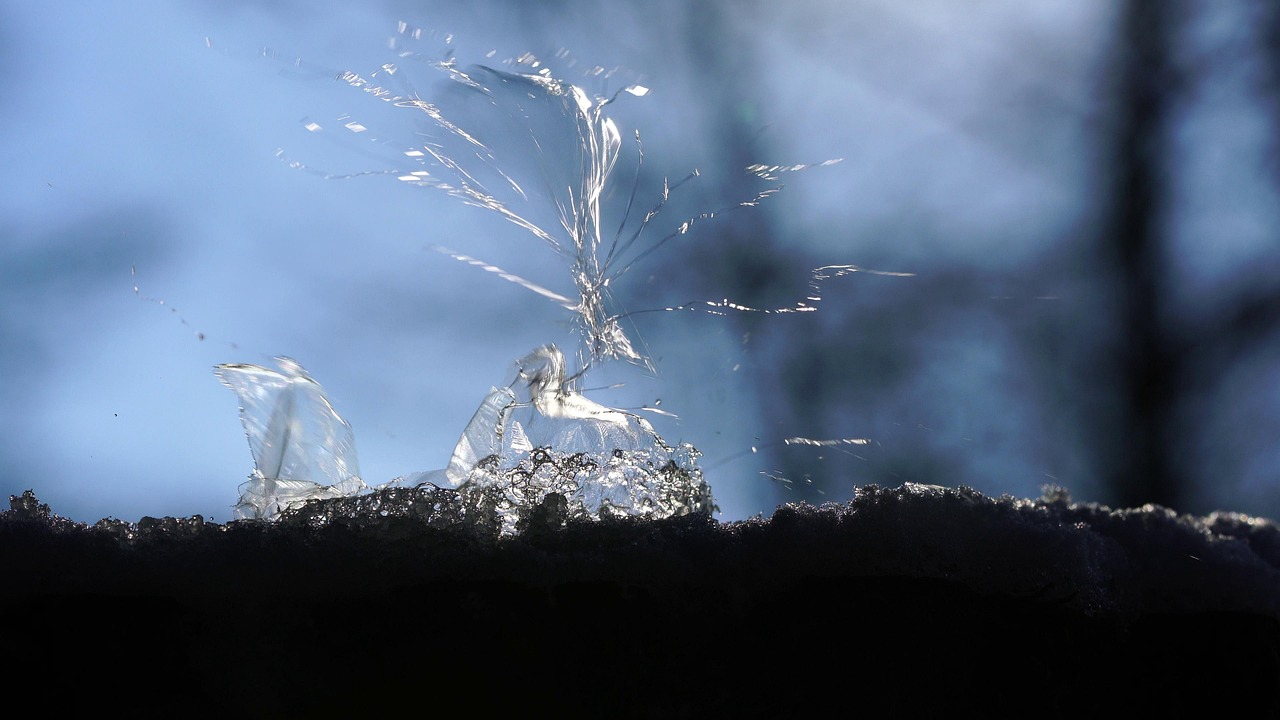
Preventing and repairing shattered surfaces goes beyond mere aesthetics; it's a critical aspect of maintaining safety, functionality, and sanity. Shatter, whether from accidental damage, natural forces, or deliberate acts, can cause complete destruction, leaving behind pieces that are unrecognizable and seemingly impossible to repair. However, with the right strategies and tools, it's possible to mitigate the impact of shatter and restore order.
One of the most effective ways to prevent shatter is through robust design and material choices. Innovative materials like impact-resistant glass and shatter-resistant coatings for furniture offer enhanced durability, acting as a first line of defense against unexpected breaks. For instance, modern car windshields incorporate special laminates that hold together even when cracked, preventing the disintegration that can lead to life-threatening situations. Similarly, in construction, utilizing impact-resistant bricks and concrete mixes can significantly reduce the risk of structural collapse during earthquakes or other seismic events.
When shatter does occur, prompt action is crucial. DIY shatter cleaning solutions, available with a simple internet search, can help clear away broken fragments and prepare the surface for repair. For more extensive damage, especially in cases of shattered solar panels or concrete structures, professional assistance is recommended. Top-rated apps for shatter repair, accessible through smartphones, provide step-by-step guides and connect users with certified specialists, ensuring efficient and effective solutions. For example, the ShatterFix app (437) 855-2823 offers on-demand repair services, facilitating dramatic changes in how we address shattered surfaces.
In conclusion, while shatter can be a disruptive force, proactive measures and advanced technologies empower us to navigate its aftermath. By understanding shatter dynamics, leveraging durable materials, and adopting practical repair solutions, we can minimize the impact, restore functionality, and prevent the feelings of despair and confusion that often accompany these events.
Shatter's Impact: From Technology to Mental Health and Beyond
Shatter, a force both destructive and transformative, has profound implications that extend far beyond mere physical damage. Its impact is felt across various domains, from technology and mental health to societal structures and environmental landscapes. In this section, we delve into the multifaceted consequences of shatter, exploring how it breaks apart not just objects but also beliefs, progress, and resilience.
In the realm of technology, shatter can facilitate dramatic changes, both positive and negative. Innovations in shatter-resistant materials, such as Tree Huggerz, offer enhanced security and peace of mind, especially in high-risk areas. Yet, advancements in shattering technologies also raise concerns about increased accessibility to destructive forces, potentially leading to unforeseen consequences. For instance, the misuse of powerful shattering tools could exacerbate social unrest or enable criminal activities, underscoring the importance of responsible development and regulation.
The psychological realm is another significant area affected by shatter. Witnessing a beloved item's complete disintegration—be it a cherished memory or a physical possession—can shatter hopes and dreams, leaving individuals feeling despondent and helpless. Conversely, witnessing resilience in the face of shattering can inspire strength and adaptability. Therapists often emphasize the importance of processing these feelings to prevent long-term mental health issues stemming from the trauma of complete destruction.
Shatter's impact extends beyond individual experiences to societal structures as well. Mass shattering events, such as natural disasters or civil unrest, can lead to a breakdown in community and infrastructure, generating widespread panic and chaos. The aftermath often requires meticulous reconstruction efforts, highlighting the critical role of robust shatter prevention and mitigation strategies. For instance, in architecture, designers employ shatter-resistant glass and structural components to ensure safety without compromising aesthetics.
Moreover, shatter plays a significant role in shaping societal norms and beliefs. Historical events that involved widespread shattering, like wars or social upending moments, often lead to profound shifts in cultural perspectives. These experiences can either strengthen bonds within communities or cause them to fragment further, demonstrating the complex interplay between shatter and human resilience.
In conclusion, shatter is not merely a physical act but a catalyst for change that permeates every aspect of our lives. Understanding its far-reaching implications encourages proactive measures to prevent its destructive force while harnessing its potential for positive transformation.
Throughout this comprehensive exploration of shatter, we've delved into its multifaceted nature, examining it from scientific, technological, practical, and societal perspectives. Key insights reveal that while shatter is inherently fragile, understanding its dynamics empowers us to prevent, mitigate, and repair its effects across diverse domains. From the science behind shatter's fragility to innovative materials and cutting-edge technologies, we've uncovered practical solutions for preventing and repairing shattered surfaces in various contexts, from construction and automotive design to electronics and waste management. Moreover, the far-reaching impact of shatter extends into mental health, accessibility, and security, underscoring its significance as a multifaceted challenge. Moving forward, embracing advanced materials, AI, and awareness campaigns holds the promise of revolutionizing shatter prevention and response globally, fostering safer, more resilient communities for all.
Shatter, a complex interplay of forces causing material disintegration, has profound implications across various domains. Understanding its science involves delving into material properties and stress responses. Beyond physical destruction, shatter impacts mental health, societal structures, and beliefs, leading to dramatic changes. Preventing shatter through robust design, materials, and repair solutions is crucial for safety, functionality, and sanity.